Comment on Aristotle on Tragic Temporality, by Sean D. Kirkland
Presented at the Ancient Philosophy Society, New York City, April 2026
The project of interpretation
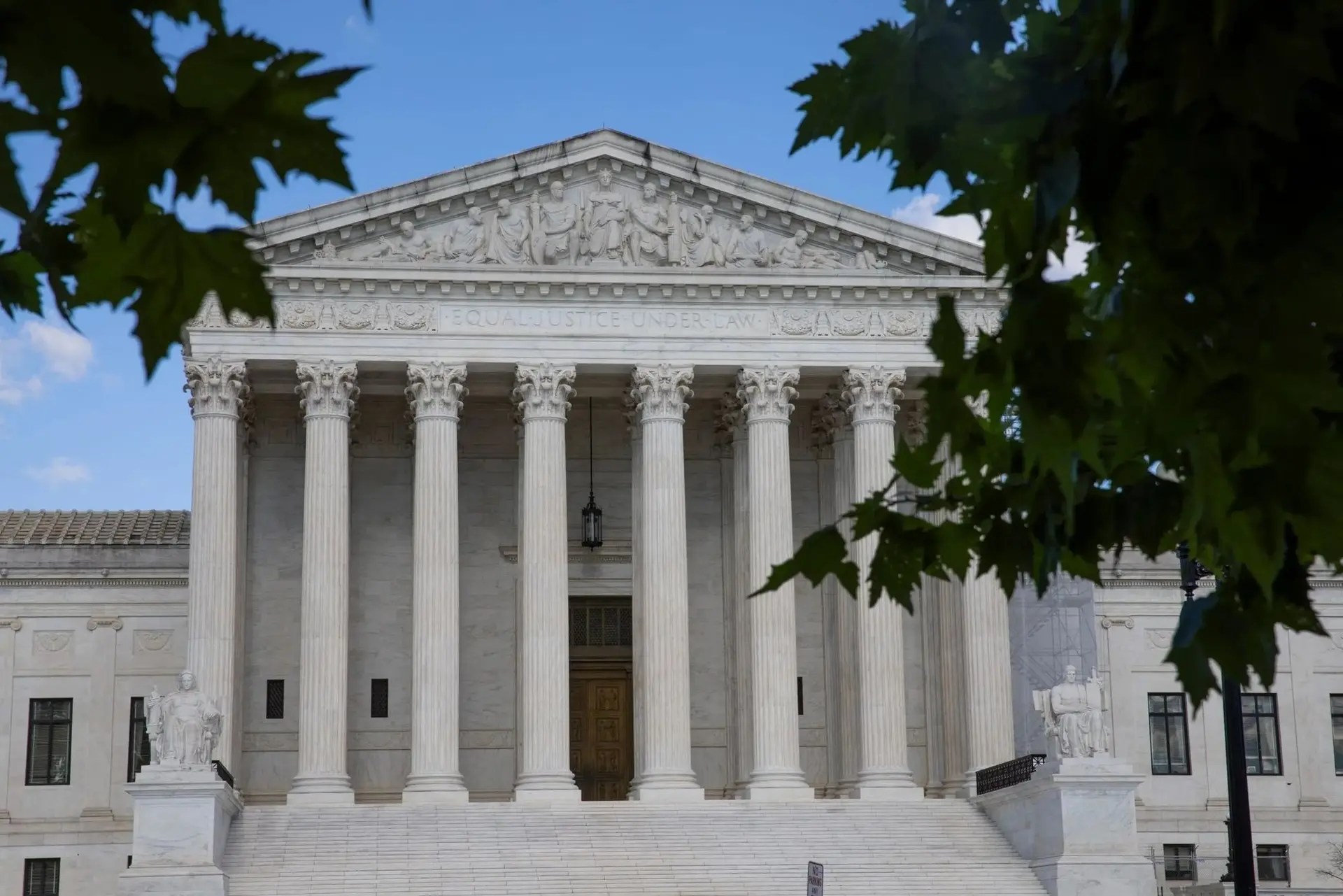
In Trump v. Slaughter, the U.S. Supreme Court considered whether the Executive has the right to remove officials of the Executive branch who have been placed there by the Legislature. The case hinged on a reading of the “take care” clause of the Constitution, “The President should take care that the laws are faithfully executed.” Following the unitary executive theory, the majority held that the president has complete authority over the executive. They read this clause to support that theory. But as Jamelle Bouie points out, this clause isn’t a grant of sovereignty. The straightforward plain reading is that it gives the president a fiduciary duty; it obliges the president to enforce the laws passed by Congress. Bouie draws a parallel to the way the current administration reads the 14th Amendment’s clause, “Subject to the jurisdiction of the laws therein” as “an esoteric arcane phrasing that demands additional interpretation,” yet, as Bouie explains, “a plain reader in 1868 or 1869 would have understood it to just mean, you’re subject to the laws, that’s all that means. And there are categories of peoples not subject to the laws.” Historically, this clause referred to the complicated legal and sovereign status of Indigenous tribes. Bouie proceeds to warn, “that conservatives and the conservative legal movement is taking pretty straightforward ideas and trying to make them seem more esoteric and complicated than they are for the express purpose of undermining them,… making them say the opposite of what they mean and then that is in service of a narrow ideological agenda.”[1]
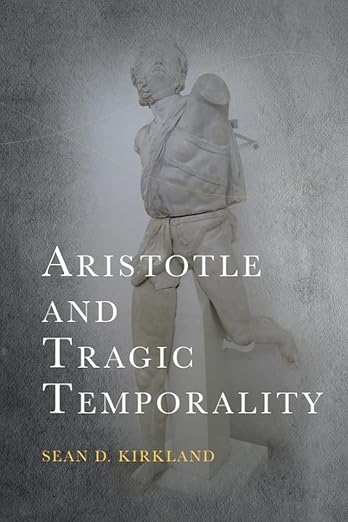
How do we avoid being the people who are “taking pretty straightforward ideas and trying to make them seem more esoteric and complicated than they are for the express purpose of undermining them, to making them say the opposite of what they mean … in service of a narrow ideological agenda”? How do we avoid implying this approach is what is involved in reading historical texts? That is to say, is there a difference between the current SCOTUS’ reading of the “take care” clause and the equal protections clause and Kirkland’s reading of Aristotle’s Poetics?
Bouie describes the straightforward relevant reading as the one that would occur to the contemporary audience of the text. Kirkland invites us to consider how straightforward readings have become sedimented as straightforward by the confrontation of Aristotelian texts with modern philosophy’s investment in a division between the subject and the object. The conceptual frame of a knowing being divided from the world she seeks to engage first and foremost by knowing structures our view of what any thinker is doing in engaging the world. Instead of making Aristotle more esoteric then, Kirkland’s reading suggests that modernity has conflated Aristotle with Descartes as the current SCOTUS has conflated Project 2025 with the US constitution. Following Kirkland, we should take modernity’s reading of Aristotle and SCOTUS’ reading of the U.S. Constitution as the contrived and esoteric ones.